Strength, Performance & Recovery Nutrition Dietitian
Registered dietitian and certified personal trainer with a master’s degree in sports nutrition, helping active adults fuel their training, recover well and build habits that last.
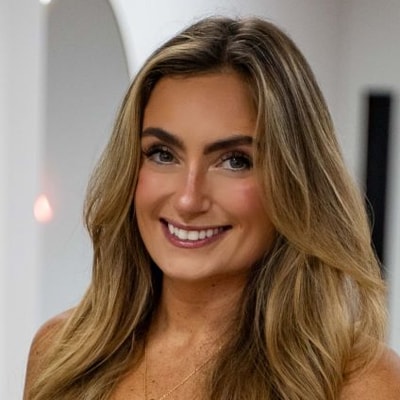
Emily Reid, MS, RDN, LDN, CPT.
Emily Reid is a registered dietitian nutritionist and licensed dietitian/nutritionist (MS, RDN, LDN), a certified personal trainer (CPT, ISSA) and a Pilates instructor.
1
States licensed
Monthly program
Personalized Care Plan
$600 / month
A month of one-to-one care with Emily: an hour together by video every week, a personal plan that changes as you do, and help between sessions when a question comes up.
- A 60-minute video session every week
- A personal nutrition plan, adjusted week by week
- Chat support between sessions
- Call support when you need to talk it through
Online enrollment for the Personalized Care Plan opens once Emily's monthly program is set up. To start now, book a first one-hour visit at the single-visit rate and ask Emily about the plan.
Background
Emily Reid is a registered dietitian nutritionist and licensed dietitian/nutritionist (MS, RDN, LDN), a certified personal trainer (CPT, ISSA) and a Pilates instructor. Emily earned a Master of Science in Sports Nutrition at Lamar University (2026) and a Bachelor of Science in Dietetics at The University of Alabama (2024). Emily’s dietetic internship ran through the University of Central Florida. Clinical rotations at AdventHealth Orlando covered nutrition assessment, medical nutrition therapy, tube feeding and working within hospital care teams, across cardiac, surgical, oncology and intensive care settings. A sports nutrition rotation with University of Central Florida Athletics meant working with college athletes on fueling, hydration, recovery and body composition. Emily is early in a dietetics career, and the longest track record is in coaching: more than six years as a personal trainer and fitness instructor, coaching weight training and teaching Pilates and group fitness classes. That is why visits connect what you eat with how you train, recover and live. Outside of work, you are likely to find Emily at hot Pilates, lifting weights, enjoying homemade sourdough or traveling somewhere new.
Nutrition should work with your life, not around a set of rules. Emily builds habits that support how you want to feel and perform, explains the reason behind each recommendation, and changes the plan when your training, schedule or goals change. Advice is evidence-based and tied to what you actually do each week.
How we'll work together
Start with your week
Your first visit covers your health history, your goals, your training and how your days actually run, so the plan begins with your real schedule.
Connect food and training
Emily looks at what you eat alongside how you train, sleep and recover, then shows you where the two are working against each other.
Build a plan you can follow
You leave with a few specific changes to meals, snacks or hydration, and the reason behind each one.
Adjust as things change
Follow-up visits check what is working and change the plan as your training, your schedule or your needs change.
How I care for patients
Habits before rules
A plan only helps if you can live with it, so small habits come before strict rules.
Know the why
Emily explains the reason behind each recommendation, so you can make good choices on your own.
Food and movement together
Nutrition and training are planned as one picture, not as two separate programs.
Evidence first
Advice comes from nutrition science and is fitted to you, not taken from the latest online trend.
Conditions I work with
Emily holds a master’s degree in sports nutrition and has worked with college athletes on fueling and hydration.
As a dietitian and certified personal trainer, Emily looks at how much you eat, how your protein is spread through the day and what you eat around your sessions.
If you often feel flat or stay sore for longer than you expect, food and fluids are among the first things to check.
Emily helps you set a realistic goal for muscle and fat and eat in a way that supports your training while you work toward it.
How I work with you
Meet Emily Reid, registered dietitian nutritionist and personal trainer
Emily Reid is a registered dietitian nutritionist (RDN) with a master’s degree in sports nutrition, and also a certified personal trainer and Pilates instructor. Emily helps active adults connect what they eat with how they train and recover.
Emily is early in a dietetics career. The longer record is in coaching: more than six years of coaching weight training and teaching Pilates and group fitness classes. That combination is the reason to choose Emily. You get a dietitian’s training with a coach’s feel for what a hard week of workouts really asks of you.
Where did Emily study and train?
Emily earned a Master of Science in Sports Nutrition at Lamar University and a Bachelor of Science in Dietetics at The University of Alabama, then completed a dietetic internship through the University of Central Florida.
- Lamar University: Master of Science, Sports Nutrition, 2026
- The University of Alabama: Bachelor of Science, Dietetics, 2024
- University of Central Florida: dietetic internship, with clinical rotations at AdventHealth Orlando and a sports nutrition rotation with University of Central Florida Athletics
- Registered dietitian nutritionist (RDN), licensed dietitian/nutritionist (LDN), certified personal trainer (CPT, ISSA) and Pilates instructor
What a dietitian who also trains people brings to your visits
Most people get nutrition advice and exercise advice from different places, and the two do not always agree. Emily works in both, so your plan can treat food, training and recovery as one picture.
Emily has coached weight training and taught classes both in a heated workout studio and online, from dumbbell and core work to sculpt and Pilates formats. That experience shapes the questions Emily asks. What time do you train? How do you feel an hour into a session? What do you eat when a long day runs late?
Why does that matter for you?
Nutrition advice that ignores your training is easy to get and hard to use. A plan built by someone who understands both can match your food to the days you lift, the days you rest and the classes that leave you hungry later on.
What stays outside these visits?
Visits are nutrition visits. Emily can talk through how your training and food fit together, but pain, injury and medical clearance to exercise belong with your doctor or physical therapist. Emily will point you back to them when a question crosses that line.
The clinical training behind the coaching
Emily’s dietetic internship included clinical rotations at AdventHealth Orlando, with hands-on work in nutrition assessment, medical nutrition therapy and tube feeding. That hospital training informs how Emily reads a health history and works alongside your doctor.
Those rotations covered settings such as cardiac care, surgical care, oncology and intensive care. Video visits here are not hospital care, and they focus on everyday nutrition. The clinical grounding matters because it teaches a dietitian to take your whole health history seriously and to recognize when a question belongs with your doctor.
Nutrition for strength training
Eating to build strength comes down to enough total food, enough protein spread through the day, and carbohydrate around your hardest sessions. Emily helps you turn that into meals that fit your week.
Many people who lift regularly undereat without realizing it, or eat most of their protein at dinner. A visit starts by looking at what you already eat on training days and rest days, then finds the smallest changes that would make the biggest difference.
How much protein do you need, and when?
Active people generally do better with protein spread across meals rather than packed into one. Your amount depends on your size, your training and your goals, so Emily works it out with you and then translates it into foods you like and can afford.
What should you eat around a lifting session?
A meal or snack with carbohydrate and some protein before you train gives you fuel, and a meal with protein and carbohydrate afterward gives your body what it needs to recover. Timing depends on when you train and how your stomach handles food close to a workout.
Can you build strength without tracking every bite?
Often, yes. Some people like tracking for a short time to learn what portions look like. Others do better with a simple meal structure. Emily helps you choose the approach you will actually keep doing.
Fueling and hydration for training and sport
Good fueling matches your food and fluids to the work you are doing, so your training has what it needs. Emily’s sports nutrition rotation with University of Central Florida Athletics focused on exactly this with college athletes.
You do not need to be a competitive athlete for this to matter. If you run before work, take a hot class after a long day or play in a weekend league, the same questions apply: what to eat, how much to drink and when.
How do you know if you are drinking enough?
Needs vary with your body, the heat and how hard you work. Hot studio classes and long outdoor sessions raise the stakes. Emily helps you build a simple routine for fluids and electrolytes around the training you actually do.
What if you train early, late or more than once a day?
Early sessions may call for something small and easy to digest. Late sessions need a plan for dinner and sleep. Two sessions in a day make recovery food between them a priority. Your plan is built around your real schedule.
Should you take supplements?
Protein powders and other supplements are a conversation to have with your dietitian or doctor, not a starting point. Emily looks at your food first and helps you weigh whether a product is worth considering at all.
Eating to recover between sessions
Recovery is when your body adapts to training, and food, fluids and sleep all support it. Emily helps you plan meals so your next session gets a fair start.
If you often feel flat, sore for longer than you expect or too tired to finish a workout, food is one of the first places to look. Emily looks at how much you eat, when you eat it and how it lines up with your training and sleep.
Pain that does not settle, an injury or sudden fatigue is a reason to see your doctor or a physical therapist. Nutrition can support your recovery, but it does not replace that care.
- Meals and snacks timed around your hardest sessions
- Rest-day eating that still supports your training
- A simple fluid routine for hot or long workouts
- Sleep and stress as part of the conversation
Body composition goals, without extremes
Body composition is about how much muscle and fat you carry, not only the number on a scale. Emily helps you set a realistic target and eat in a way that supports your training while you work toward it.
Crash diets tend to cost you training quality and muscle. Emily would rather help you make steady changes you can live with, and looks at your training, your schedule and your history with food before suggesting anything. Results differ from person to person, and no timeline is promised.
If thinking about food or your body has started to feel stressful or consuming, say so. You deserve support for that first, and Emily can help you find a specialist.
Habits you can keep
Lasting change comes from a few habits that fit your life, not a long list of rules. Emily explains the reason behind each recommendation and adjusts your plan as your training and schedule change.
There is a lot of nutrition and fitness information online. The hard part is knowing what applies to you. Visits are where general advice becomes specific: your meals, your workouts, your week.
- A first visit that starts with your real schedule
- A plan with a few specific steps and the reason for each
- Accountability and support at follow-up visits
- Adjustments as your goals and training change
How care with Emily works
You can start with a single first visit at $140 to meet Emily and set your goals. Ongoing care is the Personalized Care Plan: $600 for a month of one-to-one care, paid online by card.
Visits are confirmed after payment. Each month of the Personalized Care Plan runs for 30 days from your payment. It is self-pay and is not billed to insurance. If online enrollment for the plan is not open yet when you visit, book a first visit and tell Emily you are interested.
- Four 60-minute video sessions, one each week
- A personal nutrition plan, adjusted week by week
- Chat support between sessions
- Call support when you need to talk something through
Who care with Emily is for, and who it is not for
Care with Emily suits adults located in one of the 19 states served who want their nutrition and training to work together. Some needs call for a different kind of care.
A good fit if you
- Lift, run, take classes or play a sport and want your food to support it
- Want to build strength or work toward a body composition goal without extremes
- Want someone who understands both the nutrition and the training side
Not the right fit if you
- Are living with an eating disorder: you deserve a specialist eating-disorder team
- Have a complex medical condition and want a dietitian with many years in that specialty: ask your doctor for a referral
- Have a medical emergency: call 911 or go to the nearest emergency room
- Need a diagnosis, a prescription or a medication change: that is for your doctor
Frequently asked questions
What does a dietitian who is also a personal trainer do?
A registered dietitian helps you with what and when to eat. A personal trainer understands how training works. With both backgrounds, Emily can match your meals and fluids to your workouts and recovery, so your food and your training support each other instead of pulling in different directions.
Is Emily a sports dietitian?
Emily is a registered dietitian with a master’s degree in sports nutrition and a sports nutrition rotation with college athletes. The separate board certification in sports dietetics, known as CSSD, is not among Emily’s listed credentials, so graduate-trained in sports nutrition is the accurate description.
How much experience does Emily have?
Emily is early in a dietetics career, having completed a dietetic internship and a master’s degree recently. The longer experience is in fitness: more than six years as a personal trainer and instructor. Clinical rotations at AdventHealth Orlando and a sports rotation with college athletes are part of that training.
Do I need to be an athlete to see Emily?
No. Emily’s focus is active adults, and active does not have to mean competitive. If you lift, run, take classes or simply want to feel better when you move, your nutrition can support that, and Emily will start from the training you actually do.
What happens in the first visit with Emily?
The first visit is a 60-minute video session for $140, confirmed after payment. Emily asks about your health history, goals, training and how your days really run, looks at what you eat now, and agrees a few specific first steps with you.
What is included in the $600 monthly plan?
The Personalized Care Plan is $600 for 30 days from payment: four 60-minute video sessions, one a week, a personal nutrition plan adjusted week by week, chat support between sessions and call support when you need it. It is self-pay, not billed to insurance.
Do you take insurance for visits with Emily?
No. Visits with Emily and the Personalized Care Plan are self-pay and are not billed to insurance. A first visit is $140 for a 60-minute video session, and the monthly plan is $600, so you know the full price before you book.
Which states does Emily see patients in?
Emily is licensed in Florida. Emily also sees patients by video in Alaska, Arizona, California, Colorado, Connecticut, Hawaii, Indiana, Massachusetts, New York, Oklahoma, Oregon, Pennsylvania, Texas, Vermont, Virginia, Washington, West Virginia and Wisconsin. Emily is not licensed in these states. None of them requires a state licence for nutrition counselling by a credentialed registered dietitian via telehealth. Services there are nutrition counselling, not medical treatment, without any state’s protected title, and in Alaska and Hawaii without a dietitian title at all. In California, medical nutrition therapy from a registered dietitian is provided on a referral from the patient’s physician (Business and Professions Code §2586). You need to be located in one of these states at the time of each video visit.
Is Emily a doctor?
No. Emily is a registered dietitian nutritionist (RDN), licensed dietitian/nutritionist and certified personal trainer. Emily does not diagnose conditions or prescribe medication; those stay with your doctor or prescriber, and your nutrition plan is kept in step with the care you already receive from them.
Can Emily give me a workout plan during visits?
Visits are nutrition visits. As a certified personal trainer, Emily can talk through how your training and your food fit together and help you plan meals around your sessions. Anything involving pain, injury or medical clearance to exercise goes to your doctor or physical therapist.
Will I be told to cut out foods or follow a strict diet?
No. Emily would rather help you build habits you can live with than hand you a list of rules. Your plan is built around your training, your schedule and the foods you enjoy, and Emily explains the reason behind each change so it makes sense to you.
Do I need a referral to see Emily?
No referral is needed to book a self-pay first visit at $140 in most states served. In California, medical nutrition therapy from a registered dietitian is provided on a referral from the patient’s physician (Business and Professions Code §2586). It helps to bring recent lab results and any guidance from your doctor to your first visit.
Reviews
No reviews yet.
Good to know
LICENSED IN
ALSO AVAILABLE IN
Emily Reid is not licensed in these states. None of them requires a state licence for nutrition counselling by a credentialed registered dietitian via telehealth (AK: AS 08.38.010-.100; AZ: No statute (HB 2820 vetoed 2021; SB 1135 died 2025); CA: Cal. Bus. & Prof. Code §§2585, 2586; CO: C.R.S. §6-1-707 (HB25-1220 vetoed 2025-05-23); CT: Conn. Gen. Stat. §20-206p; HI: HRS §§448B-3, 448B-4, 448B-12; IN: IC 25-14.5-7-1, 25-14.5-7-3; MA: M.G.L. c. 112, §§201, 206; NY: N.Y. Educ. Law §8002; OK: 59 O.S. §§1736, 1741; OR: ORS 691.405, 691.415; PA: 63 P.S. §§213.1, 225.4 and 49 Pa. Code §§21.701-21.725; TX: Tex. Occ. Code §701.251(b)-(c) and TDLR telehealth guidance; VA: Va. Code §§54.1-2730, 54.1-2731; VT: 26 V.S.A. §§3381, 3382; WA: RCW 18.138.010, .020, .110; WI: Wis. Stat. §§448.70, 448.72, 448.76; WV: W. Va. Code §§30-35-1, 30-35-2a, 30-35-14). Services there are nutrition counselling, not medical treatment, without any state’s protected title, and in Alaska and Hawaii without a dietitian title at all. In California, medical nutrition therapy from a registered dietitian is provided on a referral from the patient’s physician (Business and Professions Code §2586).
CREDENTIALS
HIPAA-grade secure telehealth
Book a video visit
Loading available times…
$140 per visit · pay by card
HIPAA-grade secure video visits