Board-Certified Diabetes Dietitian for Metabolic Health, Weight & Healthy Aging
Registered dietitian, board certified in advanced diabetes management, with a master's specialty in gerontology. Emily helps adults manage diabetes, weight and midlife change now, with an eye on metabolic and brain health for the decades ahead.
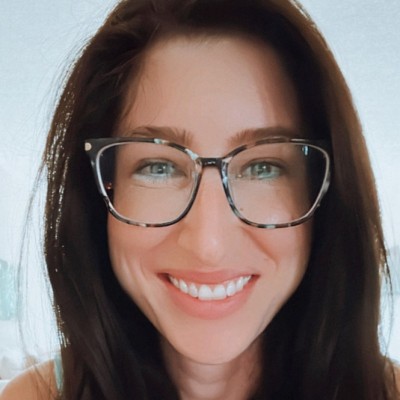
Emily Timm, MS, RD, BC-ADM, CDCES.
Emily Timm is a registered dietitian (MS, RD), board certified in advanced diabetes management (BC-ADM) and a certified diabetes care and education specialist (CDCES).
13+
Years experience
2
States licensed
Monthly program
Personalized Care Plan
$600 / month
A month of one-to-one care with Emily: an hour together by video every week, a personal plan that changes as you do, and help between sessions when a question comes up.
- A 60-minute video session every week
- A personal nutrition plan, adjusted week by week
- Chat support between sessions
- Call support when you need to talk it through
Online enrollment for the Personalized Care Plan opens once Emily's monthly program is set up. To start now, book a first one-hour visit at the single-visit rate and ask Emily about the plan.
Background
Emily Timm is a registered dietitian (MS, RD), board certified in advanced diabetes management (BC-ADM) and a certified diabetes care and education specialist (CDCES). She earned her bachelor's degree in nutrition and her master's degree in public health nutrition, with a specialty in gerontology, at Case Western Reserve University. Emily has worked in nutrition since 2013. She began in skilled nursing and hospital care, then became a diabetes educator at Cleveland Clinic, where she helped found an integrative medical weight management program. At UPMC she led clinical programs for obesity and metabolic disease across endocrinology, obesity medicine and gastroenterology clinics. She went on to found and direct her own specialty practice in diabetes, metabolic disease and sustainable weight management, working closely with endocrinologists and primary care teams. Through telehealth, she has cared for women from fertility through pregnancy, postpartum, perimenopause and menopause, and has supported people using insulin, continuous glucose monitors and GLP-1 or GIP medications. She has also coached adults on brain health and on the risk factors for cognitive decline that can be changed.
Emily thinks in decades. She looks at the quality of your food, your overall eating pattern and your appetite rather than asking you to track every calorie. She coordinates with your doctors and leaves medication decisions with your prescriber. Every plan is built to fit the life you have now and the health you want later.
How we'll work together
Start with your whole story
Your first visit covers your health history, medications, recent labs, what you eat on a normal day and what you most want to change.
Read the patterns
Emily looks at your meals, blood sugar, weight, sleep and stage of life together, so the plan fits your body and not a template.
Choose a few changes that matter
You leave with a small number of changes built on food quality, eating pattern and appetite, shaped around your schedule and the foods you enjoy.
Adjust for the long run
Follow-up visits check what is working and move the plan forward as your health, medications and stage of life change.
How I care for patients
Think in decades
What you do for blood sugar, muscle and heart health now carries forward into the years ahead.
Food quality over calorie counting
Your plan is built on what you eat and your overall eating pattern, not on tracking every calorie.
Work with your care team
Emily keeps your plan in step with your doctors, and medication decisions stay with your prescriber.
Evidence you can use
She turns nutrition research into steps that fit an ordinary week.
Conditions I work with
Emily is board certified in advanced diabetes management and has supported people using insulin and continuous glucose monitors.
Emily has worked in diabetes care since her years as a diabetes educator at Cleveland Clinic.
Prediabetes is a good moment to think ahead.
Blood sugar, blood pressure, cholesterol and weight tend to move together, so Emily looks at them together.
Emily treats weight as a medical matter and never with blame.
Eating well on a GLP-1 or GIP medication means getting enough protein, fluids and nutrients while your appetite is smaller.
Emily offers nutrition support while you are trying to conceive, looking at your eating pattern, your nutrient intake and any related concerns such as blood sugar.
Pregnancy and the months after birth change what your body needs.
Shifting hormones can change weight, sleep, energy and cholesterol, often all at once.
After menopause, bone, heart and metabolic health deserve closer attention.
Emily holds a master’s degree with a specialty in gerontology, and she began her career caring for older adults in skilled nursing.
Emily helps you build a Mediterranean-style way of eating and manage what nutrition can influence, like blood sugar, blood pressure and cholesterol.
How I work with you
Meet Emily Timm, registered dietitian and diabetes specialist
Emily Timm is a registered dietitian with a master’s degree in public health nutrition, board certification in advanced diabetes management (BC-ADM) and the CDCES credential. She has worked in nutrition since 2013, with a focus on diabetes, weight, women’s health and healthy aging.
Emily works with adults who want help with type 1 or type 2 diabetes, prediabetes, weight, women’s health from fertility through menopause, and healthy aging. Her visits are practical. She explains what your numbers mean, picks the few changes that matter most and keeps your plan in step with your doctors.
Where did Emily study?
Emily did all of her university training at Case Western Reserve University. Her master’s degree, earned through the School of Medicine alongside her dietetic internship, is in public health nutrition with a specialty in gerontology, the study of aging. That specialty still shapes how she plans care.
- Case Western Reserve University School of Medicine: Master of Science, public health nutrition, specialty in gerontology, 2012
- Case Western Reserve University: Bachelor of Science, nutrition, 2011
- Registered dietitian (RD), board certified in advanced diabetes management (BC-ADM) and certified diabetes care and education specialist (CDCES)
Why Emily thinks in decades
Most nutrition advice is about the next few weeks. Emily also asks what your blood sugar, muscle, heart and brain will need twenty years from now, and she builds your plan with both in mind.
Her training in gerontology and her years in diabetes care point to the same idea: what you do for your metabolism in midlife carries forward. So a visit about your A1c or your weight is also a conversation about the years ahead, without any pressure to be perfect now.
In practice that means fewer rules and better habits. You work on the quality of your food and your overall eating pattern, the things most likely to last.
Where Emily has worked
Emily’s career runs from skilled nursing and hospital care through Cleveland Clinic and UPMC to her own specialty practice and telehealth. Each setting added something to how she cares for people.
Skilled nursing and hospital care
Emily began as a consultant dietitian for skilled nursing facilities, caring for older adults with complex nutrition needs. She then worked as a clinical dietitian at University Hospitals (2014–2015), supporting patients with heart, kidney, diabetes, digestive, bariatric and wound-healing needs.
Cleveland Clinic
As a registered dietitian and diabetes educator at Cleveland Clinic (2015–2017), Emily helped found the Integrative Medical Weight Management Program and led its Mediterranean diet work. She ran shared medical appointments and taught diabetes self-management one-to-one and in groups.
UPMC
As Coordinator of Clinical Programs for Metabolic Disease at UPMC (2017–2019), Emily led obesity and metabolic programs across endocrinology, obesity medicine and gastroenterology clinics. She built Mediterranean-style weight pathways and made the case, from the research, for weight care that does not depend on counting calories.
Her own specialty practice
From 2020 to 2023, Emily founded and directed a specialty practice for diabetes, metabolic disease and sustainable weight management. She wrote its nutrition protocols, trained and mentored another dietitian, and worked closely with endocrinologists, primary care doctors and care teams.
Telehealth and diabetes technology
Emily has trained people on diabetes devices and supported them as they started new therapies. Through telehealth she has cared for women across life stages and for people using insulin, continuous glucose monitors and GLP-1 or GIP medications. She was selected from a large national network of dietitians to give her peers clinical guidance.
Diabetes care from a board-certified dietitian
Emily is board certified in advanced diabetes management and a certified diabetes care and education specialist. She helps with type 1 diabetes, type 2 diabetes and the daily decisions in between, while insulin and medication guidance stays with your care team.
Living with diabetes means making food decisions all day long. Emily’s job is to make those decisions simpler, so your plan works on a busy Tuesday and not only on a good week.
How does Emily help with type 1 diabetes?
Food is one of several moving parts alongside insulin, activity, stress and sleep. Emily helps you see how they interact, how the makeup of a meal changes your readings and how to keep meals enjoyable. Any insulin guidance comes from your diabetes care team.
How does Emily help with type 2 diabetes?
Emily starts with what you already eat and looks at food quality and overall pattern before anything else. Many people find a Mediterranean-style way of eating easier to keep than a list of banned foods, and Emily can help you shape one around your own cooking and culture.
- Meals built from vegetables, protein, fiber-rich carbohydrate and healthy fats
- A plan for restaurants, travel and family meals
- Clear, step-by-step teaching from her years in diabetes education
Can Emily help me make sense of my glucose monitor?
Yes. Emily looks at your readings, whether from finger-sticks or a continuous glucose monitor, alongside your meals, movement and sleep. One reading rarely tells the story; repeated patterns do. Together you turn those patterns into small changes, and your prescriber sets your target ranges.
When should you contact your care team instead?
Frequent lows, very high readings, symptoms that worry you or any sudden change should go to your doctor or diabetes care team. In an emergency, call 911.
Prediabetes and metabolic health
Blood sugar, blood pressure, cholesterol and weight tend to move together. Emily looks at them as one picture and helps you choose the few changes most likely to help all of them.
Emily led obesity and metabolic disease programs at UPMC, working across endocrinology, obesity medicine and gastroenterology clinics. She brings that whole-picture view to one-to-one visits, and your plan stays in step with your doctor.
What if you have just been told you have prediabetes?
It is a good moment to think ahead. Emily helps you see what is moving your blood sugar, then sets practical goals around food, movement and sleep. Regular check-ins keep new habits building.
What should you bring to a visit?
Bring recent lab results, your medication list and a few days of notes on what you eat, if you have them. If you do not have notes, Emily can show you a simple way to start.
Weight management and GLP-1 nutrition, without calorie tracking
Emily built her weight care around food quality, eating pattern and appetite rather than calorie tracking. If you take a GLP-1 or GIP medication, she helps you eat well alongside it, in step with your prescriber.
Weight is a medical matter with many drivers, and Emily treats it that way, without blame. At Cleveland Clinic she helped found a medical weight management program, and at UPMC she built Mediterranean-style weight pathways, so this is long-standing work for her.
Why not count calories?
Counting can work for a while, and many people grow tired of it. Emily focuses on what tends to last: meals that keep you full, an eating pattern you enjoy and an appetite you understand. If numbers help you, you are welcome to use them.
What does nutrition support on a GLP-1 or GIP medication look like?
A smaller appetite makes every meal count. Emily helps you get enough protein, fiber, fluids and nutrients, plan around side effects like nausea and build habits that last. She does not prescribe or adjust these medications. Those decisions stay with your prescriber.
- Simple, protein-forward meals for a smaller appetite
- Food choices that are easier on a sensitive stomach
- Eating habits that can carry on if your medication changes
Women’s health from fertility through menopause
A woman’s nutrition needs shift at each stage of life. Emily supports fertility, pregnancy, postpartum, perimenopause and menopause, and works alongside your OB, midwife or doctor.
Fertility and pregnancy
Emily looks at your eating pattern, key nutrients and any concerns about blood sugar, then builds simple meals that fit your days. Questions about fertility treatment and prenatal care stay with your OB, midwife or fertility doctor. Any prenatal supplements are a conversation with your doctor.
After birth
The months after birth call for food that is easy, nourishing and realistic with a newborn. Emily helps you plan for your energy and recovery, including while breastfeeding.
Perimenopause and menopause
Shifting hormones can change weight, sleep, energy and cholesterol, often all at once. Emily focuses on protein, fiber, bone-supporting nutrients and an eating pattern you can hold onto through midlife. Questions about hormone therapy stay with your doctor.
Healthy aging and brain-healthy eating
Emily’s master’s specialty is gerontology, and she began her career caring for older adults. She helps you eat for muscle, energy and the risks to your brain and heart that can be changed.
The 2024 Lancet Commission on dementia named type 2 diabetes, obesity, high blood pressure and high LDL cholesterol among the risks that can be changed over a lifetime. That is why Emily sees her metabolic work and her brain-health work as closely linked. She has also coached adults specifically on brain health.
Eating well may help lower those risks and support how you think and feel. No diet can promise to keep dementia away, and nutrition is not a treatment for it. If you are worried about your memory, please talk to your doctor.
What does brain-healthy eating look like?
Emily favors an overall pattern over any single superfood: plenty of vegetables, beans, whole grains, nuts, olive oil and fish, shaped to suit your own cooking. It is the same Mediterranean-style pattern she has used in weight and diabetes care.
What about eating well as you get older?
Appetite, muscle and medications all change with age. Emily helps you keep enough protein and nutrients in your day and plan meals that stay simple. She works alongside your doctor and care team, and any vitamin or supplement question is one to take to your dietitian and doctor together.
How care with Emily works
You can start with a single first visit at $140 to meet Emily and set your goals. Ongoing care is the Personalized Care Plan: $600 for a month of one-to-one care, paid online by card.
Your visit is confirmed once payment goes through. Each month of the Personalized Care Plan runs for 30 days from your payment. It is self-pay and is not billed to insurance. If online enrollment for the plan is not open yet when you visit, book a first visit and tell Emily you are interested.
- Four 60-minute video sessions, one each week
- A personal nutrition plan, adjusted week by week
- Chat support between sessions
- Call support when you need to talk something through
Who care with Emily is for, and who it is not for
Care with Emily suits adults located in one of the 20 states she serves who want expert help with diabetes, weight, women’s health or healthy aging. Some needs call for a different kind of care.
A good fit if you
- Live with type 1 diabetes, type 2 diabetes or prediabetes and want a specialist’s help
- Want weight care that does not depend on counting calories, with or without a GLP-1 or GIP medication
- Are planning a pregnancy, are pregnant or postpartum, or are moving through perimenopause or menopause
- Want to look after your metabolic and brain health for the decades ahead
Not the right fit if you
- Are living with an eating disorder: you deserve a specialist eating-disorder team
- Have a medical emergency: call 911 or go to the nearest emergency room
- Need a diagnosis, a prescription or a medication change: that is for your doctor
- Need memory testing or a dementia assessment: please see your doctor
Frequently asked questions
What does a board-certified diabetes dietitian do?
A dietitian with board certification in advanced diabetes management has specialized training in the complex side of diabetes care. Emily helps you understand how food, movement, stress, sleep and your readings fit together, then builds a plan you can keep. Medication decisions stay with your prescriber.
Can Emily help with type 1 diabetes?
Yes. Emily has supported people using insulin and continuous glucose monitors, and she helps with carbohydrate awareness, meal patterns, activity and reading your glucose trends. Your insulin plan stays with your diabetes care team, and she keeps your nutrition plan in step with theirs.
Does Emily work with type 2 diabetes and prediabetes?
Yes. Diabetes care has been at the center of her career since her years as a diabetes educator at Cleveland Clinic. She focuses on food quality and eating pattern, and chooses a few realistic changes with you. Your plan stays aligned with your doctor’s guidance.
Can Emily support me while I take a GLP-1 or GIP medication?
Yes. Emily helps you get enough protein, fluids and nutrients while your appetite is smaller, keep your muscle in mind and build eating habits that last. She does not prescribe or adjust the medication. Those decisions stay with your prescriber, and she works alongside them.
Will I have to count calories?
No. Emily built her weight care around food quality, eating pattern and appetite rather than calorie tracking, drawing on research into Mediterranean-style eating. If numbers help you, you can use them, but your plan does not depend on logging every bite or following strict rules.
Does Emily work with women during pregnancy and menopause?
Yes. Emily supports women from fertility through pregnancy, postpartum, perimenopause and menopause. She looks at how your needs change at each stage, including blood sugar, weight, energy and key nutrients, and works alongside your OB, midwife or doctor throughout your care with her.
Can what I eat support my brain health?
It can be part of the picture. Eating patterns that support blood sugar, blood pressure and cholesterol may help lower risks you can change, and Emily’s gerontology training informs that work. No diet can promise to keep dementia away. Concerns about memory belong with your doctor.
What happens in the first visit with Emily?
The first visit is a 60-minute video session for $140, confirmed once payment goes through. Emily asks about your health history, medications, recent labs, what you eat on a normal day and what you most want to change, then agrees a few first steps with you.
What is included in the $600 monthly plan?
The Personalized Care Plan is $600 for 30 days from payment: four 60-minute video sessions, one a week, a personal nutrition plan adjusted week by week, chat support between sessions and call support when you need it. It is self-pay, not billed to insurance.
Do you take insurance for visits with Emily?
No. Visits with Emily and the Personalized Care Plan are self-pay and are not billed to insurance. A first visit is $140 for a 60-minute video session, and the monthly plan is $600, so you know the full price before you book.
Which states does Emily see patients in?
She is licensed in Illinois and Minnesota. She also sees patients by video in Alaska, Arizona, California, Colorado, Connecticut, Hawaii, Indiana, Massachusetts, New York, Oklahoma, Oregon, Pennsylvania, Texas, Vermont, Virginia, Washington, West Virginia and Wisconsin. She is not licensed in these states. None of them requires a state licence for nutrition counselling by a credentialed registered dietitian via telehealth. Services there are nutrition counselling, not medical treatment, without any state’s protected title, and in Alaska and Hawaii without a dietitian title at all. In California, medical nutrition therapy from a registered dietitian is provided on a referral from the patient’s physician (Business and Professions Code §2586). You need to be located in one of these states at the time of each video visit.
Is Emily a doctor?
No. Emily is a registered dietitian with a master’s degree and two diabetes credentials, BC-ADM and CDCES. She does not diagnose conditions or prescribe medication. Those stay with your doctor or prescriber, and she works alongside them, keeping your nutrition plan in step with your care.
Do I need a referral to see Emily?
In most states no referral is needed to book a $140 self-pay first visit. In California, medical nutrition therapy from a registered dietitian is provided on a referral from the patient’s physician (Business and Professions Code §2586). Bring recent labs, your medication list and your glucose readings if you have them.
Reviews
No reviews yet.
Good to know
LICENSED IN
ALSO AVAILABLE IN
Emily Timm is not licensed in these states. None of them requires a state licence for nutrition counselling by a credentialed registered dietitian via telehealth (AK: AS 08.38.010-.100; AZ: No statute (HB 2820 vetoed 2021; SB 1135 died 2025); CA: Cal. Bus. & Prof. Code §§2585, 2586; CO: C.R.S. §6-1-707 (HB25-1220 vetoed 2025-05-23); CT: Conn. Gen. Stat. §20-206p; HI: HRS §§448B-3, 448B-4, 448B-12; IN: IC 25-14.5-7-1, 25-14.5-7-3; MA: M.G.L. c. 112, §§201, 206; NY: N.Y. Educ. Law §8002; OK: 59 O.S. §§1736, 1741; OR: ORS 691.405, 691.415; PA: 63 P.S. §§213.1, 225.4 and 49 Pa. Code §§21.701-21.725; TX: Tex. Occ. Code §701.251(b)-(c) and TDLR telehealth guidance; VA: Va. Code §§54.1-2730, 54.1-2731; VT: 26 V.S.A. §§3381, 3382; WA: RCW 18.138.010, .020, .110; WI: Wis. Stat. §§448.70, 448.72, 448.76; WV: W. Va. Code §§30-35-1, 30-35-2a, 30-35-14). Services there are nutrition counselling, not medical treatment, without any state’s protected title, and in Alaska and Hawaii without a dietitian title at all. In California, medical nutrition therapy from a registered dietitian is provided on a referral from the patient’s physician (Business and Professions Code §2586).
CREDENTIALS
HIPAA-grade secure telehealth
Book a video visit
Loading available times…
$140 per visit · pay by card
HIPAA-grade secure video visits